

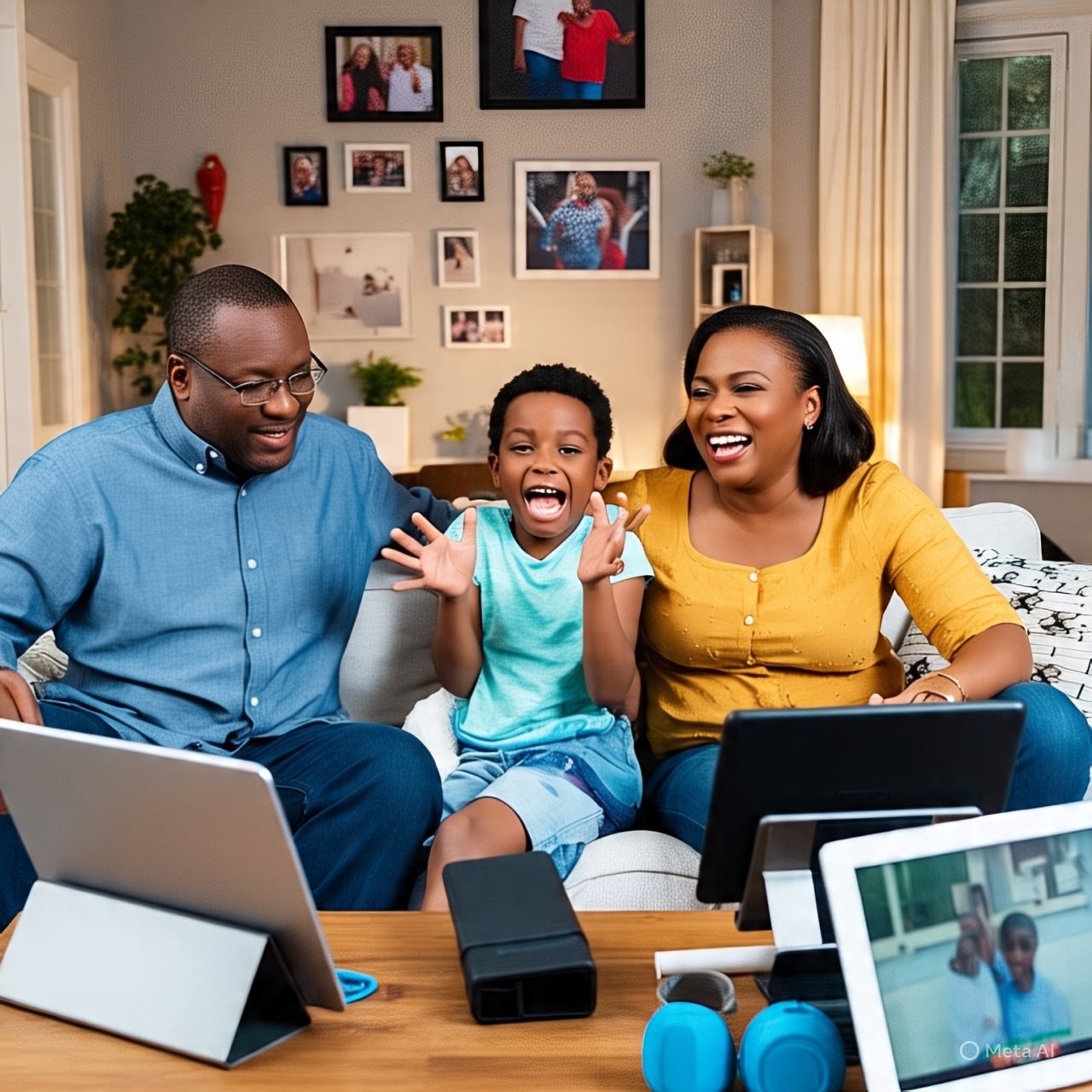

📱 Raising Kids in a Screen-Filled World: How Much Is Too Much?
Meta Description:
Screens are everywhere — but how much screen time is healthy for kids? Learn the recommended limits, signs of overuse, and practical tips to raise balanced, happy children in a digital world.
👶 Introduction: Screens Are Here to Stay — But Balance Is Key
From online classes and YouTube to mobile games and social media, screens are now a big part of growing up. As parents, we often wonder:
- How much is too much?
- What’s healthy vs. harmful?
The truth is, screen time itself isn’t the enemy — it’s all about how, when, and why it’s used.
⏳ What Do Experts Say About Screen Time?
The American Academy of Pediatrics (AAP) and World Health Organization (WHO) provide age-based screen time recommendations:
| Age Group | Recommended Screen Time |
|---|---|
| 0–18 months | Avoid screens, except video calls |
| 18–24 months | Limited, high-quality content with parent |
| 2–5 years | Max 1 hour/day of supervised, quality content |
| 6–12 years | Consistent limits; balance with offline play |
| 13+ years | Encourage self-regulation and screen-free zones |
⚠️ Signs Your Child May Be Getting Too Much Screen Time
- Mood swings or tantrums when screens are taken away
- Poor sleep or trouble falling asleep
- Decline in school performance or attention span
- Avoidance of physical play or outdoor activities
- Difficulty with face-to-face communication
💬 Why Screen Time Affects Kids Differently
🚫 Passive Use:
- Endless scrolling on TikTok
- Background YouTube videos
- Violent or overstimulating games
✅ Active Use:
- Educational apps
- Video chats with family
- Creative tools like drawing or music apps
Explore age-appropriate apps on Common Sense Media.
💡 7 Practical Tips to Build Healthy Screen Habits
1. 📅 Create a Screen Time Schedule
Set routines like:
- No screens during meals
- 1-hour after school
- 30 mins before bed = screen-free wind-down
Try Google Family Link for control and monitoring.
2. 🛏️ No Screens in Bedrooms
Blue light from screens can interfere with sleep. Keep bedrooms screen-free, especially at night.
3. 👨👩👧 Co-View and Co-Play
Watch and play alongside your kids to turn screen time into a bonding experience.
4. ⛅ Encourage Outdoor Play
For every hour of screen time, encourage at least one hour of physical activity.
5. 🧠 Model Healthy Behavior
Children learn by example. Use iOS Screen Time or Google Digital Wellbeing to track your own use.
6. 🎨 Replace Screens with Creativity
Offer alternatives like storytelling, puzzles, or art supplies. Try “no screen Sundays” as a family activity.
7. 💬 Keep Conversations Open
Ask your child:
- “What did you enjoy watching today?”
- “How did that game make you feel?”
- “Want to try something else together?”
🌱 Screen Time Isn’t Just About Control — It’s About Connection
Use technology to enhance connection, not replace it. Prioritize presence, play, and real-world interaction.
🔗 Bonus Resources for Screen-Savvy Parents
- AAP Media Tips for Parents
- Common Sense Media Reviews
- Family Media Plan Tool
- Digital Wellbeing by Google
🧘 Final Thoughts: Raise with Intention, Not Perfection
There's no perfect formula — just mindful choices. Balance screens with creativity, movement, and love.
🎯 It’s not about cutting screens out — it’s about letting life in.
Leave a Reply